California Almonds Wholesale Export Suppliers: Global Trade & Forecasts (2026)
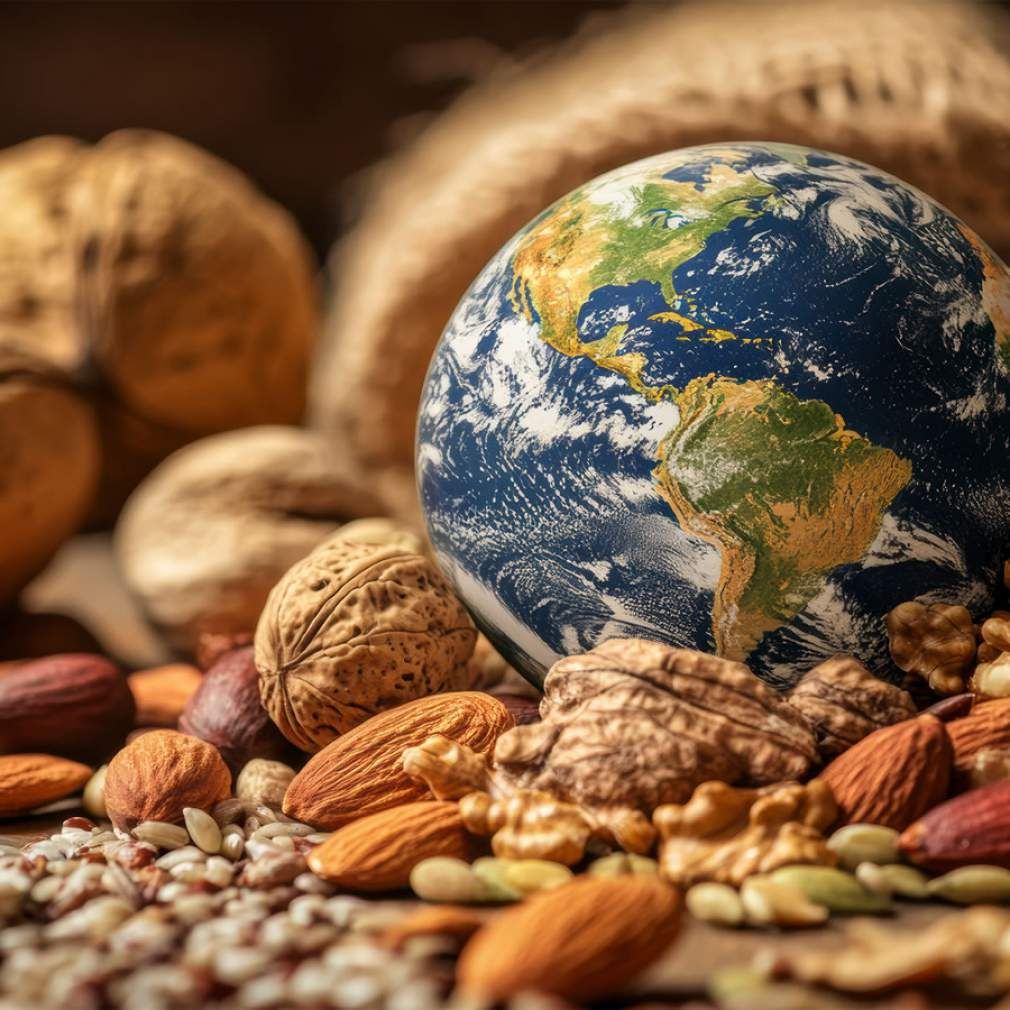
Navigating international agricultural commerce requires direct partnerships with certified california almonds wholesale export suppliers capable of managing multi-tonnage commitments, stringent USDA phytosanitary protocols, and complex destination port customs. California produces over 80% of the world's commercial almonds across 1.37 million bearing acres in the Central Valley, generating over $4.7 billion in global export trade. This comprehensive 2026 market intelligence report analyzes bilateral shipping volumes, tariff dynamics, and logistics strategies across South Asia, Western Europe, the Middle East, and East Asia.
Global Demand Hubs: From Mumbai Festivities to European Marzipan
Exported to over 90 sovereign nations, California almonds experience non-cyclical, year-round international demand. The top export destinations reflect radically different culinary traditions, regulatory frameworks, and consumer demographics:
India & South Asia: California's leading export market by volume, absorbing approximately 32% of total crop shipments. The Indian market exhibits an overwhelming preference for in-shell Nonpareil and Carmel varieties, delivered directly to Nhava Sheva (JNPT) for regional cracking, Diwali gift packaging, and Ayurvedic snacking. Explore our dedicated export services for South Asian almond buyers.
Western Europe: Accounting for 28% of annual exports, key receiving ports like Rotterdam, Hamburg, and Antwerp import graded shelled kernels, almond meal, and sliced cuts. European confectioners and bakers enforce strict aflatoxin controls under the EU Pre-Export Check (PEC) program, prioritizing Non-GMO certifications and sustainable supply chains. Review our regional distribution in Western Europe.
East Asia & MENA: Japan, South Korea, China, and the UAE represent rapidly expanding value-added sectors. Demand focuses on ready-to-drink almond milk, savory roasted snacks, and confectionery inclusions. Explore our presence in the Middle East & North Africa and across the Asia Pacific territory.
Evaluating California Almonds Wholesale Export Suppliers & Standards
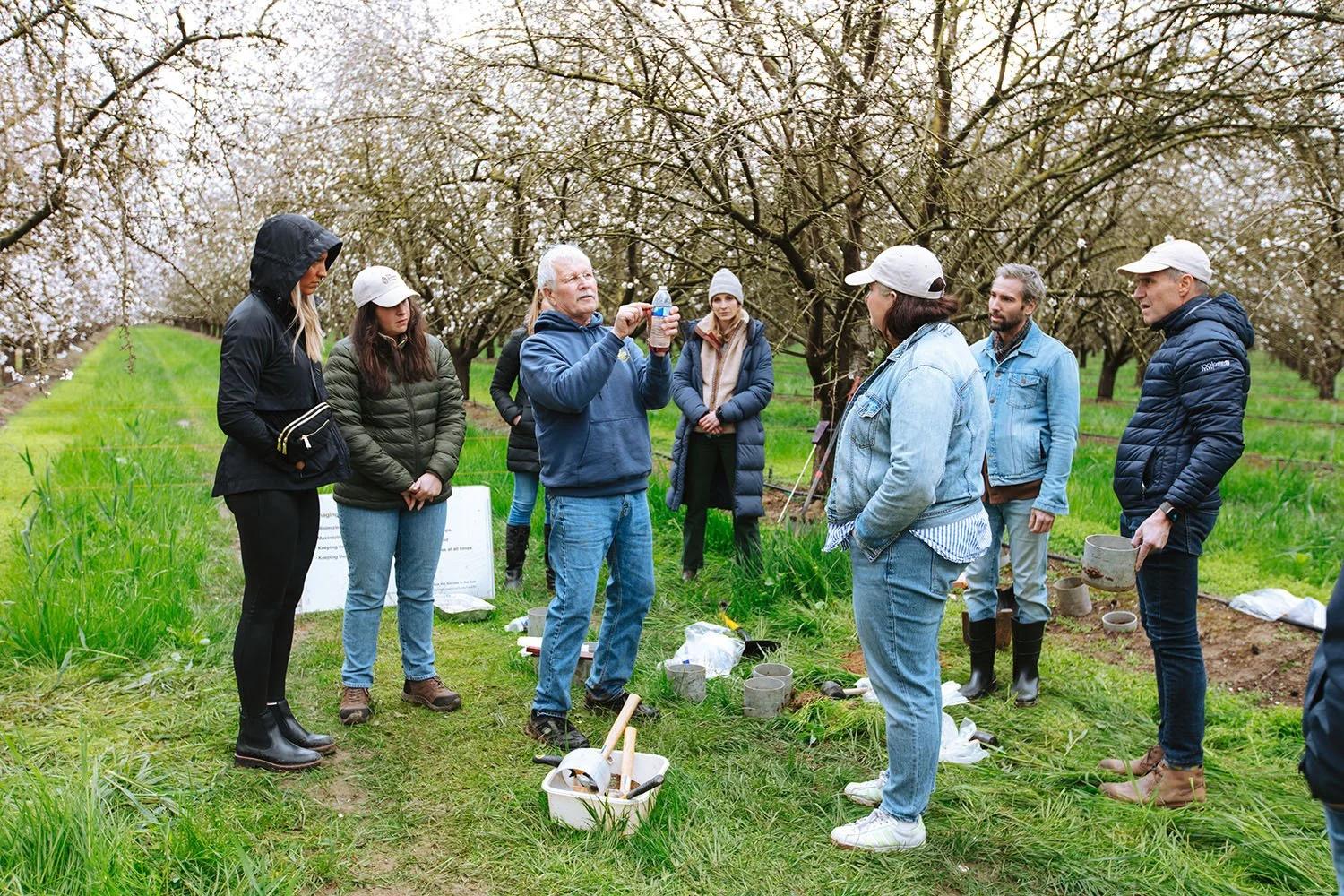
Selecting dependable california almonds wholesale export suppliers determines whether your manufacturing plant receives consistent raw material on time or faces customs port holds. Institutional procurement officers evaluate four core processor capabilities:
Direct Orchard Integration: Premier handlers like Pacific Almonds manage vertically integrated acreage in Kern County and the San Joaquin Valley. This guarantees single-source traceability from bloom through processing, eliminating broker markups and unknown lot blending.
Advanced Optical Sorting & Laser Grading: Modern processing lines feature multiple laser sorting passes that separate chips, scratches, doubles, and foreign material. This ensures incoming shipments strictly conform to contracted USDA grades. Check out our detailed guide comparing Nonpareil versus Carmel almond varieties.
Cold-Chain & Desiccant Protection: Transoceanic voyages can subject containerized nuts to extreme humidity shifts. Top-tier handlers install multi-layer desiccant blankets and poly-lined export cartons that prevent moisture migration and preserve kernel quality. Learn more in our analysis of ocean freight logistics and Incoterms.
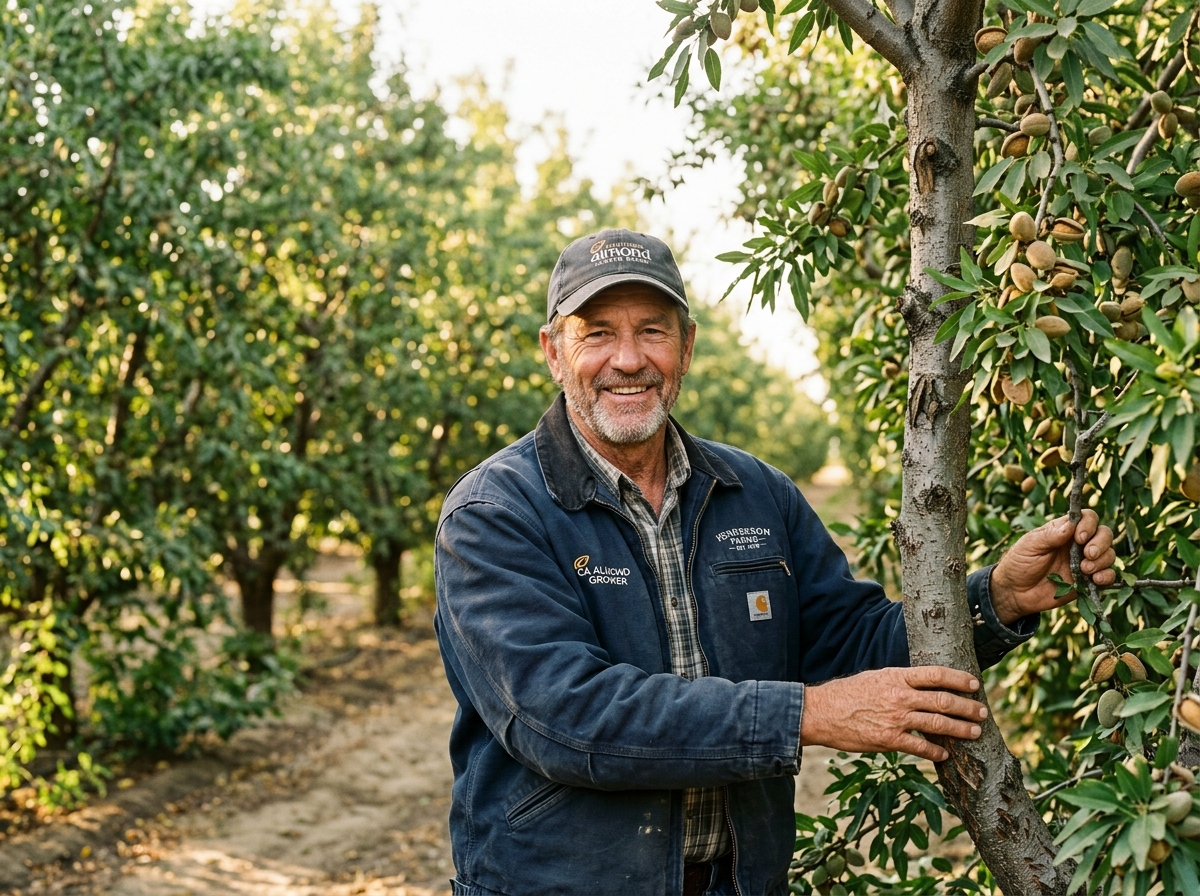
80% of World Supply, Zero Off-Season Vulnerability
No other agricultural territory combines 1.37 million contiguous bearing acres, generational orchard engineering, multi-billion-dollar processing infrastructure, and deepwater intermodal terminals like the Port of Oakland.
Source: USDA Foreign Agricultural Service & Almond Board of California Global Industry Reports.
Central Valley Microclimate: An Unrivaled Agronomic Advantage
Commercial almond trees require an exacting environmental balance that exists in only five distinct regions worldwide: the Mediterranean basin, Central Chile, Western Australia, South Africa, and California's Central Valley.
Almond orchards require 300 to 500 winter chill hours below 45°F (7°C) during dormant months to reset bloom cycles. This is followed by sunny, frost-free weather in February for honeybee pollination, and long, hot, arid summer months with zero rain from June through September to prevent mold and fungal decay.
Deep alluvial loam soils washed down from the Sierra Nevada provide rooting depths exceeding eight feet. Coupled with precision subterranean drip irrigation, Central Valley orchards achieve yields of 2,100 to 2,500 kernel pounds per acre, vastly exceeding Mediterranean dry-land averages of 600 to 900 lbs/acre. Learn about our environmental initiatives in our sustainable almond farming overview.
Geopolitical Tariffs, PEC Compliance & Bilateral Customs
Experienced trade managers continuously track shifting bilateral duty schedules and import clearances. Key international regulatory frameworks include:
Indian Specific Duties: India maintains a predictable fiscal regime for California nuts, levying a specific duty of 35 INR/kg on in-shell almonds. This provides commercial stability for importers contracting forward container consignments for the festive season.
EU Pre-Export Check (PEC) Certification: European Commission Regulation (EU) 2015/949 officially recognizes California's aflatoxin testing regime. Consignments backed by a USDA-APHIS certificate experience border sampling rates under 1% at Rotterdam and Hamburg, virtually eliminating port demurrage.
Intermodal Proximity to Port of Oakland: Pacific Almonds' packing operations in Lost Hills feature direct interstate freight corridors to the Port of Oakland, enabling fast container turnarounds and guaranteed weekly ocean vessel sailings.
Global Export Statistics & Tariff Schedule Matrix
Commercial volumes, harmonized tariff codes, phytosanitary requirements, and ocean freight logistics benchmarks.
California supplies >80% of international almond exports across 90+ receiving countries worldwide.
Every export consignment carries USDA-APHIS federal inspection and IPPC certificates guaranteeing freedom from quarantine pests.
HS 0802.11 for Inshell Almonds; HS 0802.12 for Shelled Kernels (whole, blanched, sliced, or diced).
Weekly liner departures from Port of Oakland and Long Beach ensure uninterrupted international cargo flow.
Top Regional Destinations: Tariff Rates & Product Preferences
Comprehensive breakdown of commercial trade flows, duty structures, and primary application channels.
| Destination Market | Primary Product Form | Export Volume Share | Effective Import Tariff | Primary Application / Consumer Demand |
|---|---|---|---|---|
| India & South Asia | Inshell Nonpareil & Carmel | 32% (420M+ lbs) | 35 INR / kg specific duty | Diwali festive gifting, retail snacking, traditional Ayurvedic food |
| Western Europe | Shelled kernels, meal, sliced | 28% (370M+ lbs) | 0% (Standard EU tariff) | Chocolate confectionery, marzipan, plant-based dairy, pastry baking |
| East Asia (Japan, S. Korea, China) | Shelled Nonpareil, blanched, flour | 18% (240M+ lbs) | 0% - 10% (Country dependent) | Ready-to-drink almond milk, premium savory snacks, fine confectionery |
| Middle East & MENA | Shelled & Inshell varieties | 14% (185M+ lbs) | 0% - 5% (GCC standard) | Ramadan gifting, roasters, traditional baklava, and halva production |
| Rest of World (LatAm, Africa) | Shelled industrial & broken cuts | 8% (105M+ lbs) | Varied by bilateral treaty | Commercial bakery inclusions, breakfast cereals, food service |
Consult With California Export Specialists
Request bilateral freight rates, phytosanitary export documentation, or container booking allocations with our global logistics desk.
Export Procurement Takeaways
Frequently Asked Questions: Global Export Procurement
Essential guidance for commercial buyers working with California export handlers.
Why partner with established california almonds wholesale export suppliers?
Certified California handlers provide vertical orchard integration, guaranteed USDA lot grading, accredited laboratory CoAs, and established freight liner allocations through the Port of Oakland, safeguarding buyers from shipment delays and quality discrepancies.
What are the primary export varieties shipped by California handlers?
Leading varieties include Nonpareil (representing the benchmark for whole snacking and Indian in-shell festive consumption), Carmel and California types (ideal for confectionery chopping and roasting), and Butte/Padre (widely used for industrial almond paste and flour milling).
How does the EU Pre-Export Check (PEC) program streamline almond shipments?
Under EU Regulation 2015/949, European border control authorities accept USDA-APHIS PEC laboratory certificates. This reduces mandatory testing holds at ports such as Rotterdam and Hamburg to less than 1%, accelerating customs release.
What customs tariff codes apply to California almond export consignments?
Inshell almonds are classified globally under HS code 0802.11, while shelled almond kernels (including whole, blanched, sliced, and diced cuts) trade under HS code 0802.12.