Without Bees,
There Are No Almonds.
Partnering with beekeepers through certified Bee Friendly Farming, blooming cover crop corridors, and strict daylight spray moratoriums.
The World’s Greatest Natural Pollination Event
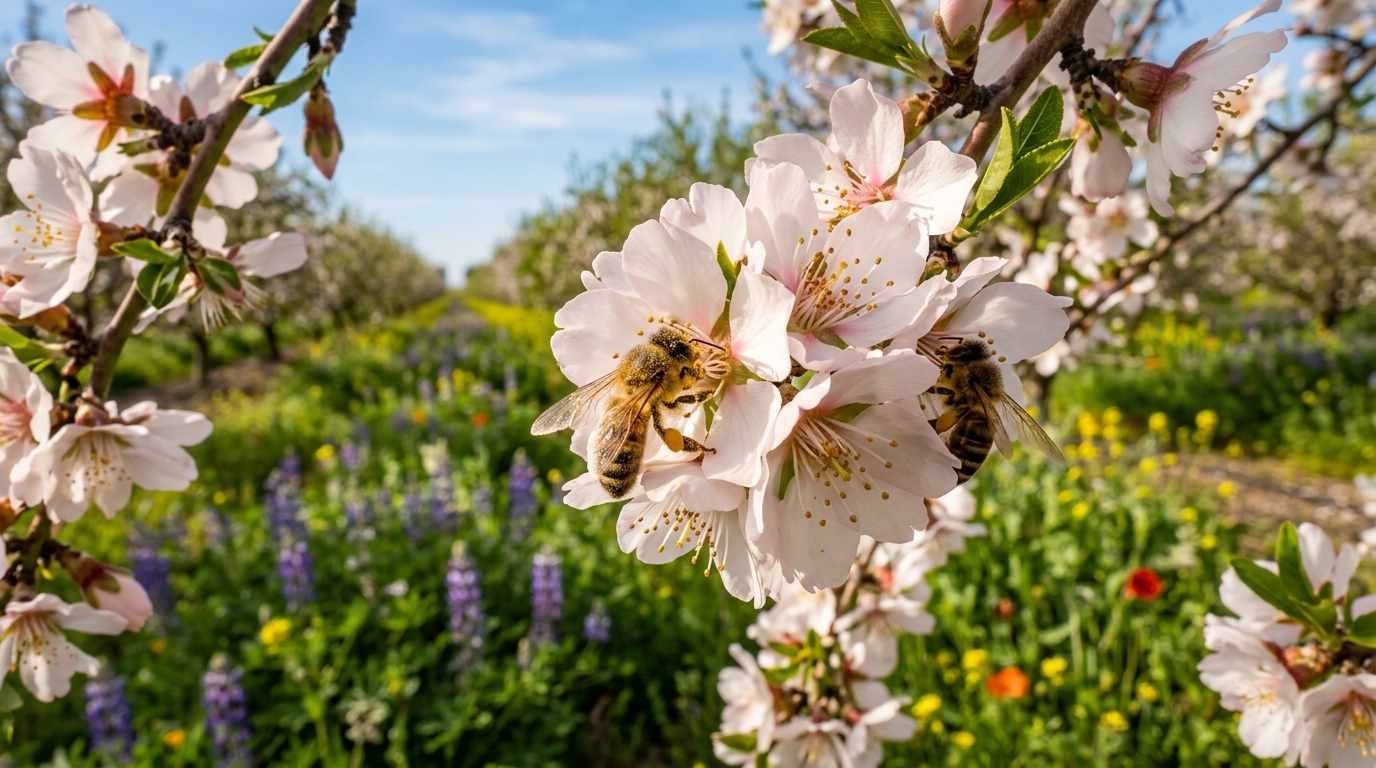
Every February, California’s Central Valley transforms into hundreds of thousands of acres of fragrant white and pink almond blossoms. To pollinate this crop, commercial beekeepers bring over 2.6 million honeybee colonies—representing nearly 88% of the managed US honeybee population. Almond pollen is extraordinarily nutrient-dense, providing 10 essential amino acids that give hives the vital protein boost needed to rebuild colony strength after winter dormancy.
Forage Before, During, and After Bloom
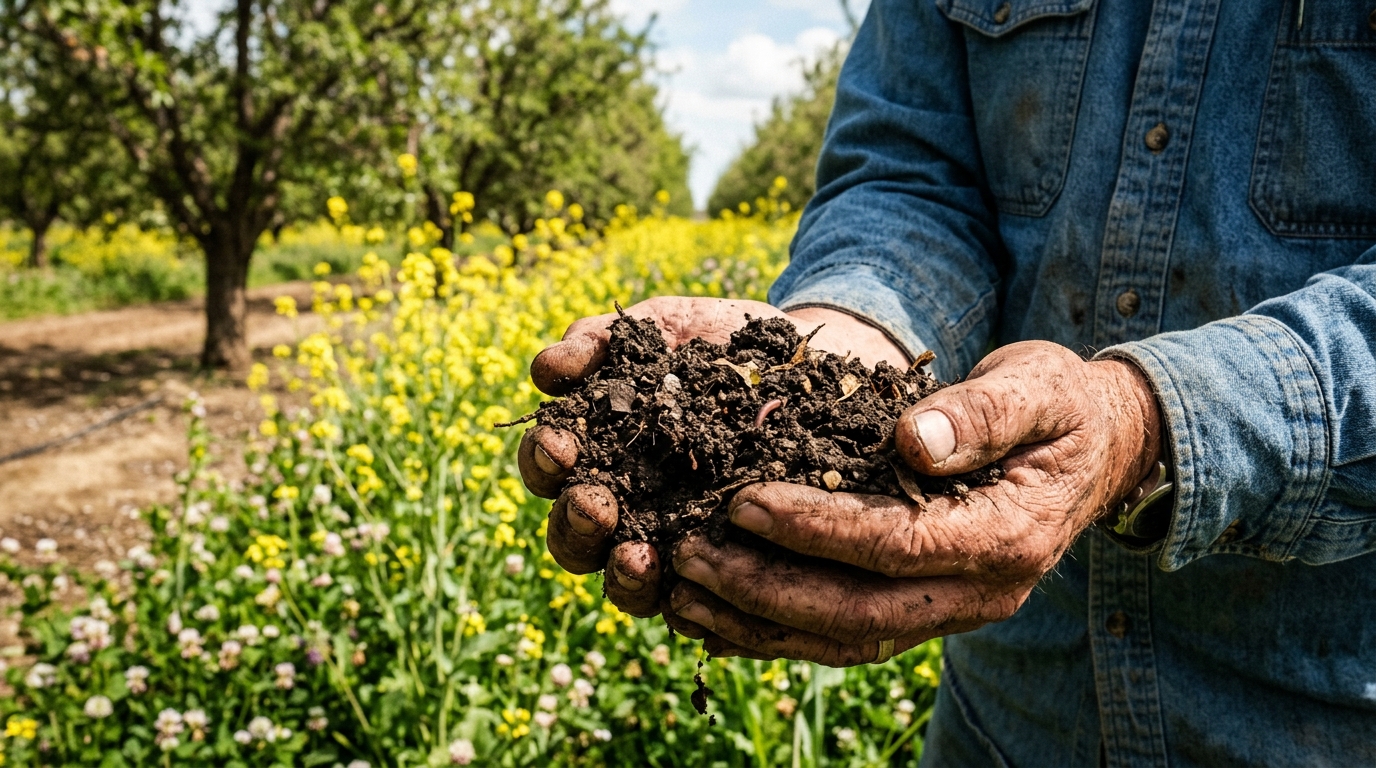
At Pacific Almonds, our pollinator stewardship extends well beyond the two-week almond bloom window. We plant dedicated hedgerows and multi-species cover crops (mustard, clover, vetch, and California native wildflowers) along orchard borders and row middles. This ensures that when bees arrive, nutritious nectar is already waiting, and when the bloom finishes, bees continue foraging on diverse floral sources before moving on to pollinate other American agricultural crops.
The Pacific Almonds Difference
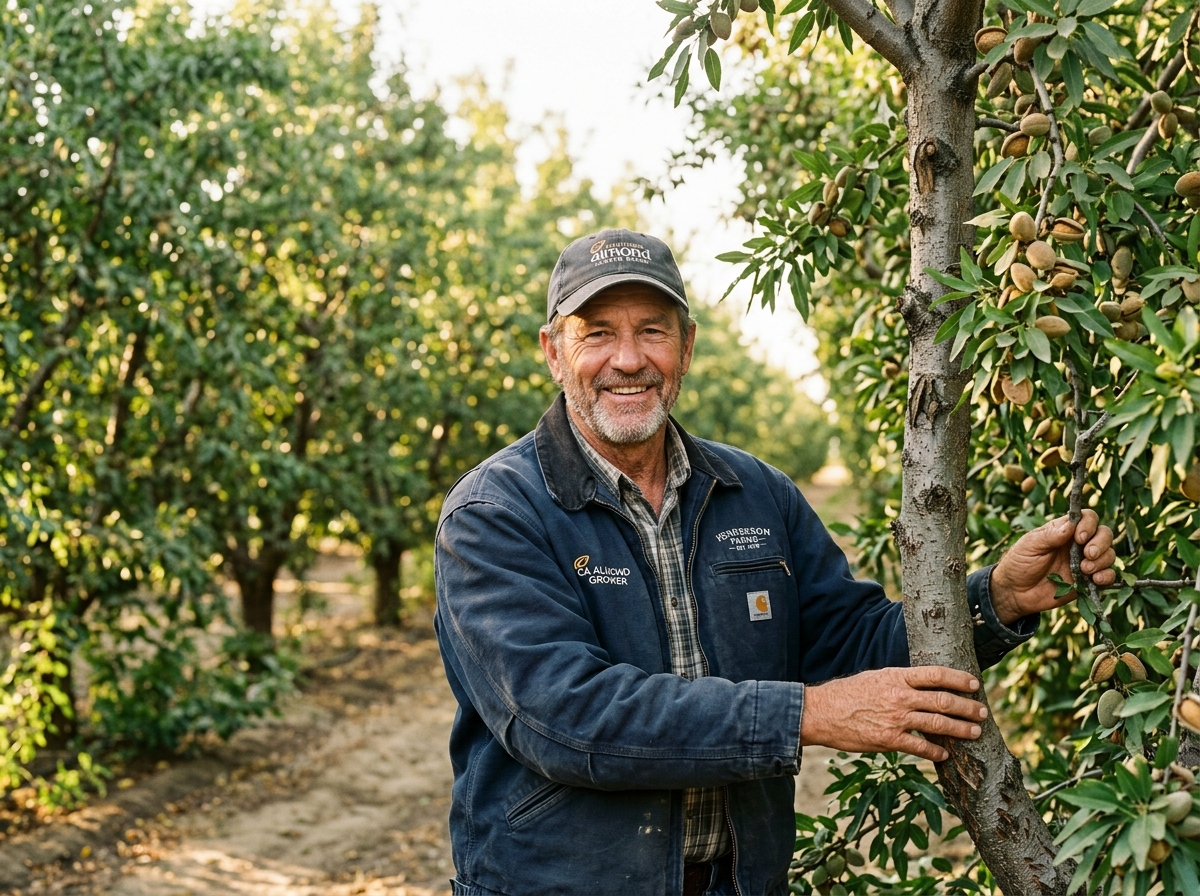
As your trusted almond partner, we hold our environmental stewardship to the same uncompromising standards as our kernel quality. Our growers pledge certified Bee Friendly Farming, zero artificial additives, and USDA Grade-A certification. Every shipment delivers purity, freshness, and verified harvest-to-container traceability.
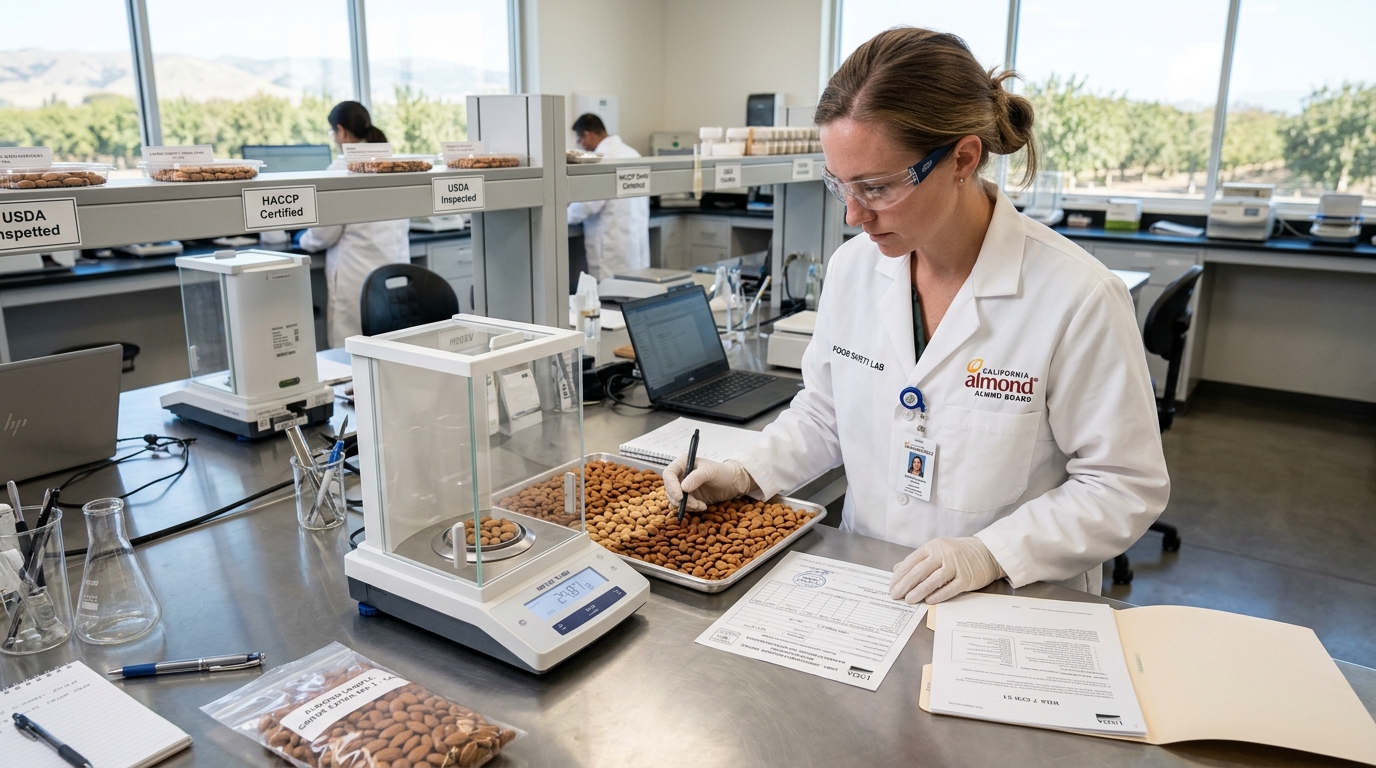
*Certified USDA Grade-A. Every export shipment includes full accredited lab CoA, phytosanitary clearance, and certified pollinator-safe agricultural documentation.
Verified Apiary Health & Biodiversity Data
Independent university entomology research tracking honeybee hive strength and native bee biodiversity.
Bee Protection Frameworks & Certifications
Rigorous protocols guarding honeybees and native pollinator communities.
Bee Friendly Farming (BFF)
Orchards certified under the non-profit Pollinator Partnership, dedicating at least 3% of total acreage to permanent bee forage habitats.
Almond Board Honey Bee BMPs
Adherence to Honey Bee Best Management Practices, including strict communication protocols between growers, PCAs, and beekeepers.
California BeeWhere Registration
Full GIS tracking through the state BeeWhere initiative, ensuring agricultural commissioners and beekeepers maintain real-time colony awareness.
Clean Water Access Stations
Fresh, clean watering stations provided throughout orchard blocks to keep bees hydrated and prevent drinking from irrigation pooling.