Zero Waste Almond Farming Co Products Guide: Circularity (2026)
Consulting our zero waste almond farming co products guide reveals how modern California agriculture transforms every component of the harvested almond fruit into high-value secondary resources. In a typical harvest, kernel meat represents roughly one-third of total fruit weight, with hulls and woody shells constituting the remaining two-thirds. By upcycling almond hulls into dairy feed, converting shells into carbon-sequestering biochar, and grinding whole orchards into soil amendment, growers achieve 100% circular utilization. This 2026 report explores coproduct economics and industrial sustainability.
Anatomy of the Almond Drupe: Kernels, Hulls & Shells
Botanically, the almond tree (Prunus dulcis) produces a drupe fruit, closely related to peaches and nectarines. During autumn harvest, each almond consists of three fractions:
The Inner Kernel (~30% by weight): The nutrient-dense commercial food product utilized for raw snacking, roasting, flour, and plant-based dairy.
The Green Fleshy Hull (~50% by weight): The thick exterior casing that protects the developing kernel on the tree, bursting open during summer hull-split.
The Woody Inner Shell (~20% by weight): The hard lignified barrier that encases the kernel meat. In traditional agriculture, non-edible fractions were discarded; in modern California orchards, every ounce is upcycled into zero-waste circular products. Discover our variety profiles in our guide to Nonpareil vs Carmel varieties.
Almond Hulls: High-Sugar Dairy Feed & Prebiotic Fibers
In commercial circular agriculture operations, almond hulls represent California's most successful upcycling stream:
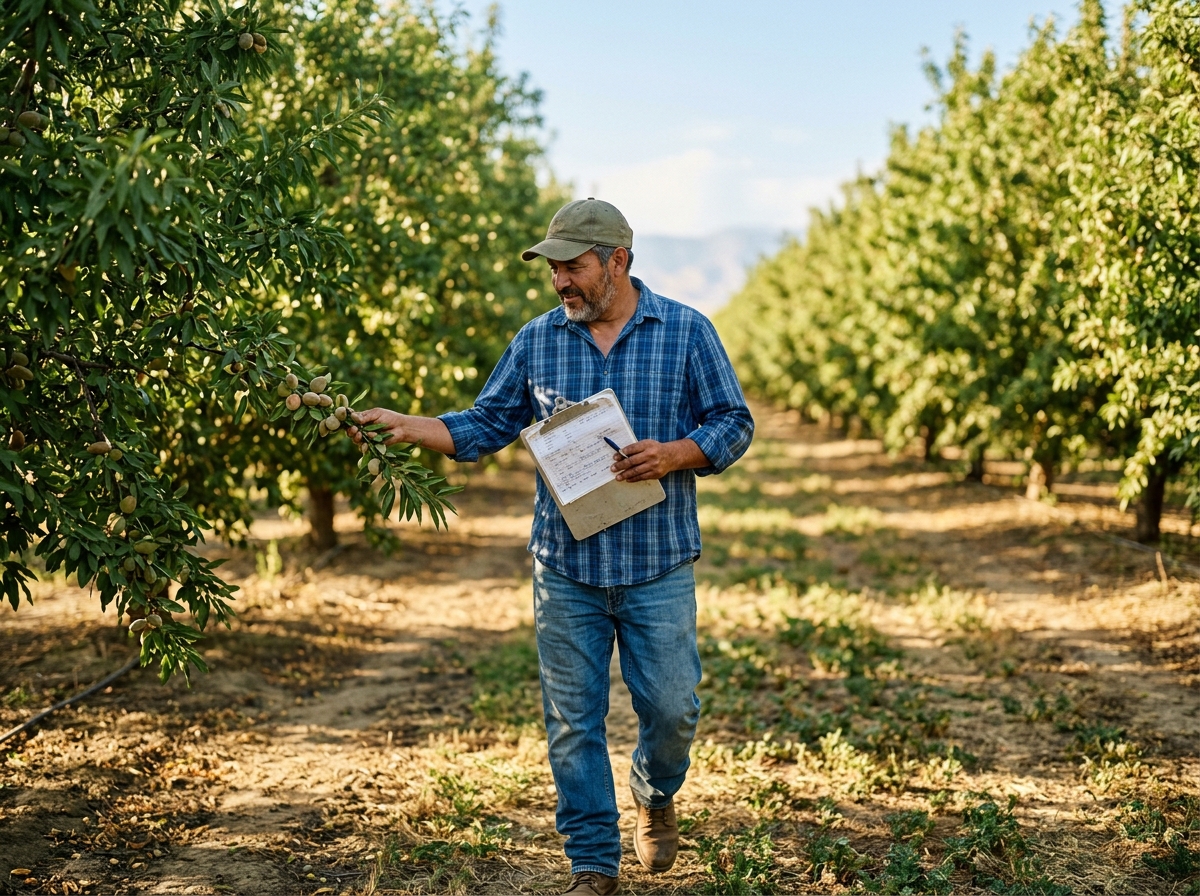
Dairy Cattle Nutrition: Almond hulls contain over 30% to 35% natural sugars and highly digestible dietary fiber. California dairy operations utilize almond hulls as a primary feed ingredient, directly replacing water-intensive alfalfa hay and reducing the overall water footprint of local milk production.
Prebiotics & Bioactive Compounds: Emerging food technology programs supported by the Almond Board of California extract dietary prebiotic fibers, natural sugars, and antioxidants from hulls for human food fortification and craft brewing. Learn more about our environmental stewardship on our sustainability portal.
100% Harvest Biomass Diverted From Landfills
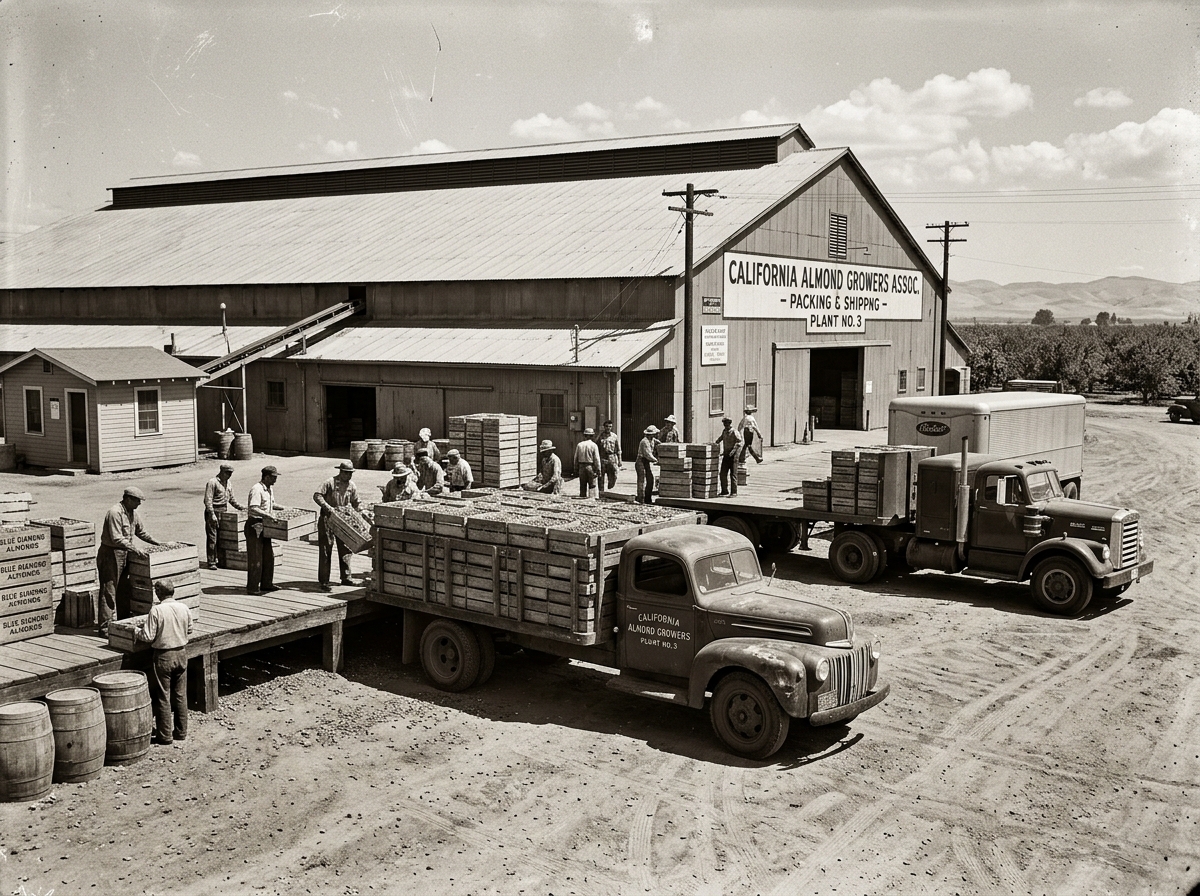
Through livestock nutrition, shell biochar conversion, and whole orchard soil recycling, Pacific Almonds ensures that zero organic waste leaves our orchards or processing plants.
Source: UC Davis Biochar Research Group & California Department of Food & Agriculture.
Almond Shells: Carbon-Negative Biochar & Plastic Filler
Almond shells are hard, high-lignin materials that decompose slowly, making them exceptional candidates for thermal conversion:
Pyrolysis & Soil Biochar: Heating shells in an oxygen-deprived chamber transforms them into pure carbon biochar. When amended into orchard soils, biochar acts like a microscopic sponge, locking carbon underground for centuries, retaining soil nutrients, and improving microbial biodiversity.
Post-Consumer Biocomposites: Finely milled almond shells serve as lightweight, organic reinforcing fillers in recycled plastics, creating automotive parts, flowerpots, and shipping pallets with lower petroleum content. Explore our wholesale bulk kernel portfolio on our products page.
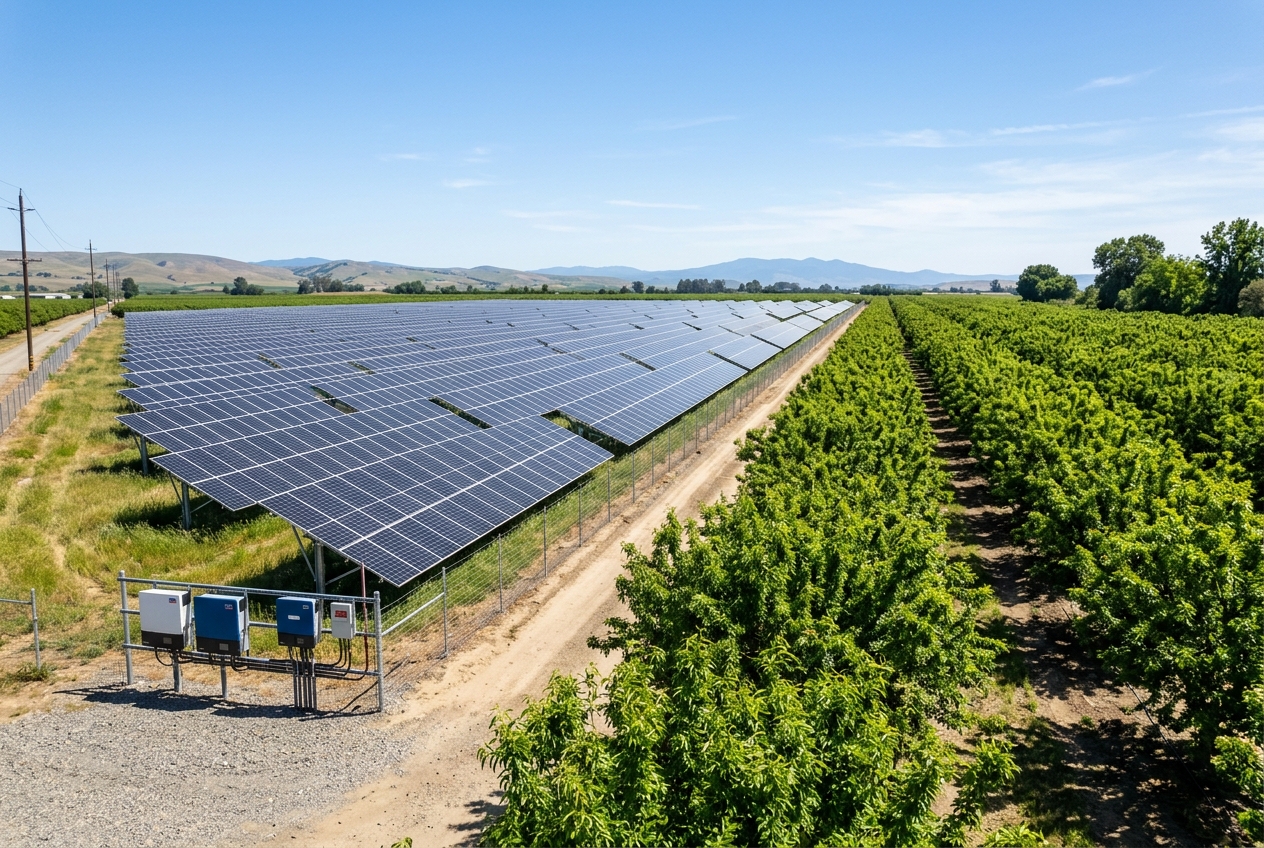
Whole Orchard Recycling (WOR): Turning Retired Trees to Soil
Almond trees remain commercially productive for approximately 25 years. Historically, retired orchards were pushed into piles and burned. Today, Pacific Almonds utilizes Whole Orchard Recycling (WOR):
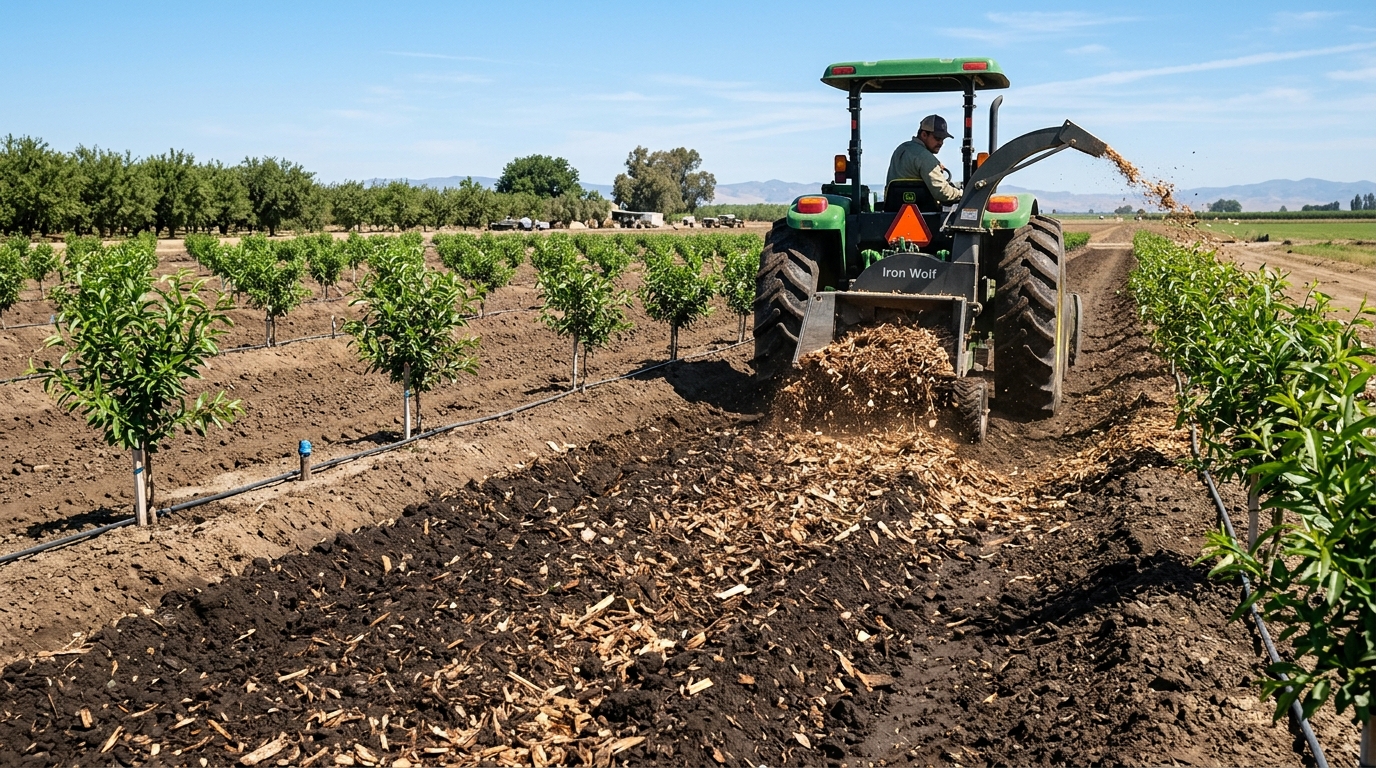
Massive horizontal grinders chip entire standing trees—trunks, branches, and root balls—distributing the woody mulch evenly across the orchard floor. Heavy agricultural disks incorporate the biomass into the top six inches of soil.
According to UC Davis research, WOR sequesters approximately 2.4 metric tonnes of carbon per acre, boosts water infiltration by 32%, and enhances soil water retention by up to 20,000 gallons per acre. See how WOR coordinates with our water initiatives in our SGMA compliance report and our bee friendly farming guide.
Zero Waste Almond Farming Co Products Guide: Volume & Circular Matrix
Biomass distribution, commercial end-uses, and carbon sequestration parameters across California orchards.
All harvested hulls and shells repurposed into dairy nutrition, biochar, and renewable soil amendments.
Almond hulls replace water-intensive alfalfa hay in dairy cattle rations, saving billions of gallons of water.
Whole Orchard Recycling captures up to 2.4 tonnes of carbon per acre directly back into agricultural soils.
Horizontal grinders eliminate open-air agricultural burning, improving Central Valley air quality.
Harvest Biomass Composition & Circular Value Stream
Breakdown of almond drupe components and their commercial circular applications.
| Fruit Component | Share of Harvest Weight | Key Biochemical Properties | Primary Commercial Application | Environmental Benefit |
|---|---|---|---|---|
| Kernel Meat | ~30% by weight | 21% protein, healthy fats, Vitamin E | Commercial food, snacking, flour, dairy alternatives | Nutritious, plant-based protein source |
| Almond Hulls | ~50% by weight | 30% - 35% natural sugars, digestible fiber | Dairy cattle feed, prebiotics, brewing sugars | Replaces water-thirsty forage crops |
| Almond Shells | ~20% by weight | High lignin content, dense carbon matrix | Soil biochar, bioplastics, livestock bedding | Locks carbon underground for centuries |
| Retired Trees (WOR) | 30+ tonnes / acre | Lignocellulosic wood biomass | Whole Orchard Recycling soil amendment | 2.4 tonnes carbon sequestered per acre |
Connect Regarding Circular Sourcing
Connect with our agronomy team to request circular economy verification, coproduct supply contracts, or ESG sustainability documentation.
Circularity Takeaways
Frequently Asked Questions: Zero-Waste Almond Coproducts
Essential details on coproduct utilization, biochar conversion, and Whole Orchard Recycling.
What are the primary co-products generated during California almond harvesting?
Every harvest generates three co-products: the edible almond kernel (approx. 30% of total fruit weight), the fleshy green outer hull (approx. 50% of weight), and the woody protective shell (approx. 20% of weight). In California, 100% of these fractions are upcycled.
How are almond hulls utilized in the circular economy?
Almond hulls are exceptionally rich in natural sugars and digestible fiber, serving as a premium dairy cattle feed that displaces water-intensive alfalfa hay. Hulls are also being processed for prebiotic sugars, brewing extracts, and animal health supplements.
What commercial applications exist for almond shells?
Almond shells are pyrolyzed into carbon-negative biochar for soil enhancement and water filtration, ground into post-consumer bioplastic fillers for automotive components, and utilized as organic livestock bedding.
What is Whole Orchard Recycling (WOR)?
Whole Orchard Recycling is an agronomic process where retired 25-year-old almond trees are ground into wood chips and incorporated back into the top 6 inches of orchard soil, sequestering up to 2.4 metric tonnes of carbon per acre and increasing soil moisture retention by 20%.